


PEEK is a strong candidate for energy applications because it combines mechanical strength, resistance to heat and chemicals, and dimensional stability. For components such as compressor valves, seals and bearing cages, these properties can help engineers address wear, repeated loading and demanding operating conditions. The right choice depends on the PEEK grade and the conditions the component will actually face.
Across conventional and emerging energy systems, compressors, pumps and valves move gases, control fluids and keep equipment running. Their components may be exposed to hot water, oils, aggressive process fluids, high pressure or repeated mechanical stress. Nuclear systems add radiation exposure, while remote wind installations make maintenance particularly challenging.
Understanding how PEEK behaves in these environments is the starting point for selecting a suitable material. The following sections explain its key properties, typical energy applications and the considerations behind choosing a PEEK tube grade.
PEEK Material Properties That Matter in Energy Equipment
Mechanical Strength and Resistance to Fatigue
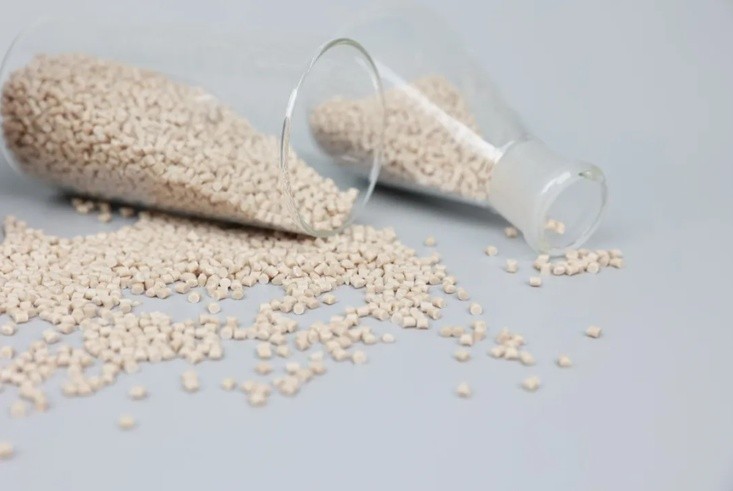
Polyether ether ketone (PEEK) is a high-performance thermoplastic with a useful combination of tensile strength, flexural strength and creep resistance. These properties make it a candidate for components that must retain their shape under sustained loads or withstand repeated loading cycles.
In compressor valve components, for example, fatigue performance matters because the parts open and close repeatedly. In loaded seals and support components, creep resistance helps control deformation over time. Performance at elevated temperatures must be assessed using data for the selected grade and loading conditions.
Wear Performance and Self-Lubricating Properties
PEEK is used in sliding and moving components where friction and wear affect reliability. Suitable grades offer self-lubricating properties that can reduce reliance on external lubrication in selected bearing bush and sealing designs.
Replacing a metal bearing bush with PEEK requires more than matching dimensions. Contact pressure, sliding speed, mating surface, temperature and lubrication all influence performance. Self-lubricating properties do not remove the need to validate lubrication requirements for the complete component. Any proposed operation without external lubrication should be validated for the selected grade and operating conditions.
Heat Resistance and Fire Performance
Heat resistance makes PEEK relevant to equipment operating at elevated temperatures. However, a brief temperature excursion and continuous service impose different demands, particularly when a part is carrying a load.
PEEK also offers useful flame and smoke characteristics. Any stated flammability rating or smoke performance should be supported by test data for the specific grade and specimen configuration. Material test results alone do not establish the fire performance of an assembled system.
Electrical Insulation and Dimensional Stability
Suitable electrically insulating PEEK grades can be used for connector bodies, sensor insulation and other electrical components. Low moisture uptake and dimensional stability are valuable where changes in fit or geometry could affect performance.
Electrical properties vary with formulation. Carbon-fibre-reinforced grades should not automatically be treated as substitutes for unfilled PEEK in insulation applications. Selection should reflect the operating voltage, temperature, humidity and required electrical properties.
Resistance to Chemicals and Hot Water
PEEK resists many oils, hydrocarbons and industrial chemicals, and its hydrolytic stability makes it relevant to components exposed to hot water. This combination is useful in energy equipment where mechanical loading and fluid exposure occur together.
Compatibility must still be checked against the actual medium, concentration, temperature and exposure time. Broad chemical resistance does not mean that PEEK is suitable for every acid, solvent or process environment.
Flexible Processing Options
PEEK can be processed by injection moulding, extrusion and compression moulding. Suitable grades and equipment also support coating processes and additive manufacturing. Engineers can therefore consider different production routes according to part geometry, volume and performance requirements.
Typical PEEK Applications in Energy Equipment
Compressor Valves and Support Rings
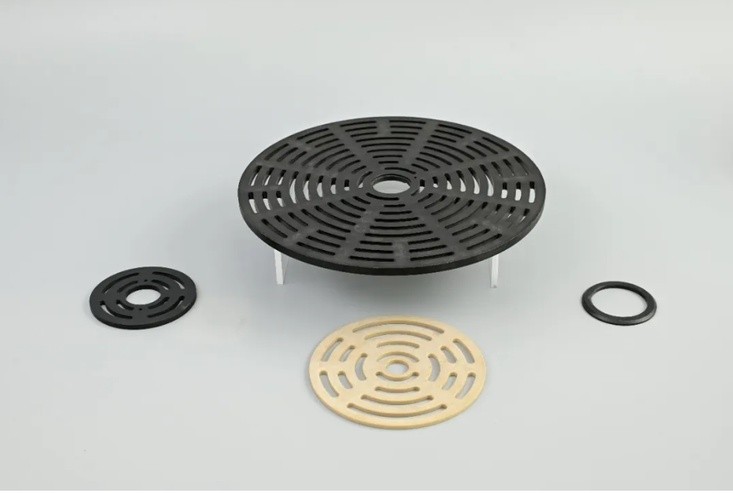
Compressors are essential to gas handling in applications including hydrogen systems and carbon capture. PEEK can be considered for valves, seals and support rings that face repeated loading and demanding process conditions.
Its relatively low weight can reduce the moving mass of compressor valves, while fatigue resistance, wear resistance and self-lubricating properties can support reliable operation. Relevant components include mushroom valve cores, ring valves and plate valves.
For support rings, resistance to creep and dimensional change helps maintain the intended fit under load. Low friction and chemical resistance are also relevant to their performance in contact with process media. Any expected improvement in valve life, downtime or energy use should be demonstrated in the intended compressor system.
Oil and Gas Equipment

Downhole tools, surface equipment and fluid transport systems expose materials to combinations of pressure, heat and chemicals. PEEK is relevant to several component groups in these environments.
Valve seats, mechanical seal components, seals and sealing rings benefit from a balance of mechanical strength, wear resistance and dimensional stability. Bearings, bearing bushes, bearing cages and centralizers (also called stabilizers) require resistance to wear and deformation. Electrical connectors, insulation frames and sensor insulation require a suitable combination of strength and electrical performance.
PEEK may also be considered for protective coatings, liners and selected pipeline components. Here, chemical compatibility and barrier performance must be evaluated as part of the complete construction. This does not mean that a PEEK component can replace an entire pressure-rated metal pipeline.
For fluids containing hydrogen sulphide, carbon dioxide or other aggressive constituents, selection requires application-specific evidence. Where PEEK energy absorbing springs, such as coil springs, are proposed, the design must also account for long-term creep and retained spring force.
Wind Power and Hydropower

Maintenance access is a major consideration in wind turbines, while hydropower components may operate in persistently wet conditions. PEEK offers a combination of properties worth evaluating for both settings.
In wind turbine bearing cages, low weight, fatigue resistance and self-lubricating properties can support the component design. Lubrication requirements should still be validated for the complete bearing system under its intended operating conditions.
In hydropower equipment, candidate components include bearing bushes, floating seal rings and shaft sleeve liners. Hydrolytic stability, wear resistance and dimensional control are relevant to maintaining the intended clearance and fit. Suitable insulating grades may also be considered for generator slot wedges and insulating gaskets.
Nuclear Power
Radiation resistance is one reason PEEK is considered for selected nuclear applications. Potential uses include connector insulation, sensor insulating sleeves, insulation frames, cable insulation and cable sheaths.
Qualification must address the radiation type, accumulated dose and surrounding service conditions. Performance under gamma or X-ray exposure should not be taken as blanket approval for every radiation environment or nuclear duty. Electrical and mechanical properties must remain adequate throughout the specified service life.
Hydrogen Systems
Hydrogen equipment places particular demands on sealing, dimensional stability and low hydrogen permeability. PEEK may be evaluated for selected compressor, sealing and insulating components, with qualification based on pressure, temperature and operating cycles.
In electrolysers, PEEK may be considered for membrane electrode assembly (MEA) backing plates. The component’s role and exposure conditions must be defined before selecting a grade. Mechanical support, insulation and contact with the process medium create different requirements. Hydrogen permeability should be assessed using measured data for the proposed material under the intended operating conditions.
Solar Energy
PEEK films may be considered for specialised solar applications where heat resistance, chemical resistance and dimensional stability are important. Metallised film structures may also be evaluated where gas barrier performance is required.
Suitability depends on the complete film or multilayer design and the intended exposure conditions. Claims about photovoltaic production use, outdoor durability or barrier performance require evidence for the specific application.
Choosing PEEK Tubes for Energy Components
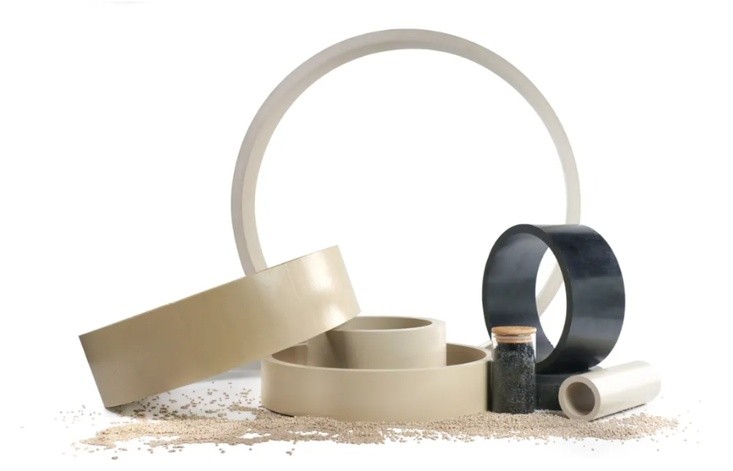
ZYPEEK offers unfilled, 30% glass-fibre-reinforced and 30% carbon-fibre-reinforced PEEK tubes. These options give engineers a starting point for comparing material behaviour against the requirements of seals, bearing cages, bearing bushes, insulating parts and other machined components.
Unfilled PEEK Tubes
Unfilled PEEK provides a balance of mechanical, thermal and chemical properties. It is an option to evaluate when reinforcement is unnecessary or when the electrical properties of the unfilled material are important. Dimensions, tolerances and availability should be confirmed for the intended part.
Glass Fibre Reinforced PEEK Tubes
Glass fibre reinforcement can increase stiffness and improve resistance to creep compared with unfilled material. This makes reinforced PEEK worth considering where dimensional control under sustained loading is a priority. Design decisions should use the relevant tube grade data.
Carbon Fibre Reinforced PEEK Tubes
Carbon fibre reinforcement can increase stiffness and strength. Its effect on wear depends on the formulation and contact conditions, so a reinforced grade should not be selected solely on the assumption that it will always wear less.
Electrical behaviour also needs attention: carbon fibre reinforcement can change conductivity, making a dedicated electrical assessment essential for any proposed insulation use.
PEEK Material Support from ZYPEEK
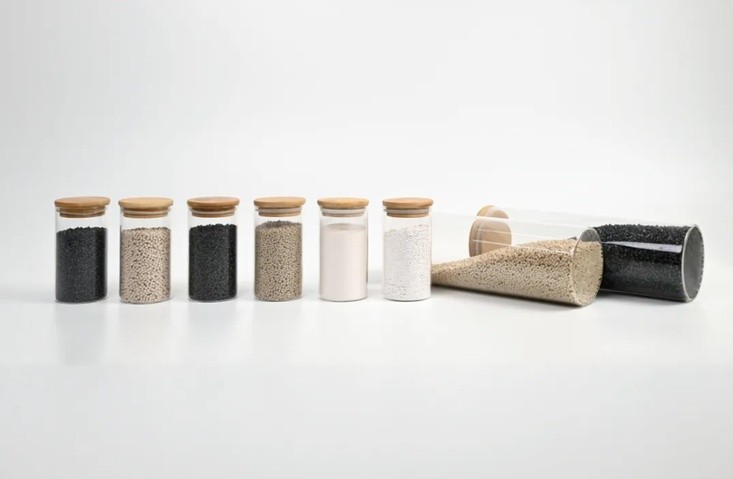
Jilin Joinature Polymer Co., Ltd., known as ZYPEEK, is a China-based PEEK producer with around two decades of experience in PEEK research and production. The company is listed on China’s A-share market.
ZYPEEK’s work on process optimisation, production automation and quality control supports its focus on material consistency and supply reliability. Its technical team supports material selection, trial production and the transition to manufacturing, helping customers assess the practical requirements of their components.
For energy equipment, the most useful starting point is a clear application specification: operating temperature, pressure, process medium, mechanical load, electrical requirements and expected service life. These details help narrow the material options and identify the validation work needed before production.
Discuss Your PEEK Application
Considering PEEK for a seal, compressor valve component, bearing cage or insulating part? Share your operating conditions, component drawing and required dimensions with ZYPEEK to discuss material selection and request relevant PEEK tube specifications.
Disclaimer
The applications described in this article reflect general uses or potential uses of PEEK and do not confirm the suitability of any specific ZYPEEK grade for a particular application. For confirmed ZYPEEK product applications, please refer to the company’s official disclosures. Any property values stated are typical values, not guaranteed specifications. Material suitability and component performance must be evaluated and validated under the intended operating conditions before use.


 Refresh